
# QR Code Scan and Pay: The Payment Revolution That’s Already Here Remember when paying for your morning coffee meant fumbling through your wallet for exact change or waiting for that ancient card reader to finally process your payment? Those days are quickly becoming a distant memory, thanks to QR code scan and pay technology that’s revolutionizing how we handle transactions. You’ve probably seen those square, pixelated codes popping up everywhere – from your favorite restaurant’s table to the checkout counter at your local grocery store. But here’s the thing: QR codes aren’t just a trendy tech gimmick. They’re actually solving real problems that we face every single day when it comes to making payments.
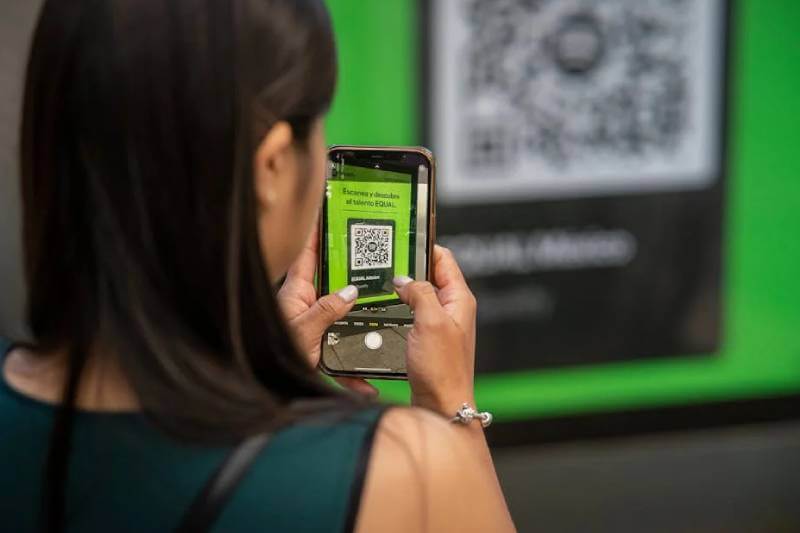
## What Exactly Is QR Code Scan and Pay? Let’s break this down in simple terms. QR code scan and pay is basically a digital payment method where you use your smartphone to scan a unique QR code and complete a transaction without touching cash, cards, or even a payment terminal. It’s like having a magic wand in your pocket that can instantly transfer money with just a quick camera scan. The process is surprisingly straightforward.
You open your banking app or digital wallet, point your phone’s camera at the QR code, enter the payment amount, and boom – transaction complete. No swiping, no inserting cards, no typing in PINs on potentially grimy keypads. What makes this technology so appealing is its simplicity. You’re going to love how fast it is once you get the hang of it. I remember the first time I used it at a farmer’s market – the vendor looked at me like I was performing some kind of digital sorcery when I paid for my vegetables in about three seconds flat.
## The Security Factor That Actually Makes Sense Now, you might be thinking, “Isn’t scanning random codes with my phone a bit risky?” That’s actually a smart question, and here’s why QR code payments are often more secure than traditional methods. Each QR code contains encrypted payment information that’s unique to that specific transaction. Unlike your credit card number, which stays the same whether you’re buying gas or groceries, QR codes generate fresh data every time. This means even if someone somehow intercepts the information, it’s useless for future transactions.
Plus, most QR payment systems require additional authentication through your banking app – think fingerprint scans, facial recognition, or PIN verification. It’s like having multiple locks on your front door, except these locks are digital and way more sophisticated than anything a traditional card swipe could offer. The encryption protocols used in QR payments often exceed industry standards for traditional card transactions. Banks employ tokenization, which replaces sensitive account details with unique identification symbols that retain essential information without compromising security. This multi-layered approach creates a fortress around your financial data that’s nearly impossible to breach through conventional hacking methods.
## Where You’ll Actually Use This Technology The beauty of QR code scan and pay lies in its versatility. You’ll find these codes practically everywhere once you start looking for them. Small businesses love them because they don’t need expensive card readers or complex point-of-sale systems. A simple printed QR code can turn any smartphone into a payment processor. Food trucks have been early adopters, and it makes perfect sense.
When you’re serving customers through a small window with limited space, the last thing you want is bulky payment equipment. Street vendors, farmers markets, and pop-up shops have embraced this technology because it levels the playing field with larger retailers. But it’s not just small businesses getting in on the action. Major retailers, restaurants, and even parking meters are jumping on the QR payment bandwagon. You can pay for your parking spot, split a restaurant bill with friends, or even tip your hairdresser – all without touching a single physical payment method.
## The Global Perspective That Might Surprise You Here’s something that might blow your mind: while QR code payments are still gaining traction in some countries, they’re already the dominant payment method in places like China and India. We’re talking about billions of transactions happening daily through QR codes. In China, it’s practically impossible to function without QR payment apps. People use them for everything from buying street food to paying rent. The adoption rate is so high that cash has become almost obsolete in many urban areas.
India’s UPI system, which heavily relies on QR codes, processes more transactions than Visa and Mastercard combined in some months. This global perspective shows us where payment technology is heading. We’re not just talking about a convenient alternative to cash – we’re looking at the future of money itself. ## Setting Up Your QR Payment System Getting started with QR code scan and pay is easier than setting up a new social media account. Most major banks now offer QR payment features directly within their mobile apps.
You don’t need to download a separate app or sign up for additional services – it’s probably already sitting there waiting for you to discover it. Digital wallets like Apple Pay, Google Pay, and Samsung Pay have also integrated QR scanning capabilities. The setup process typically involves verifying your identity, linking your preferred payment method, and maybe setting up a PIN or biometric authentication. The whole thing takes maybe five minutes, and then you’re ready to start scanning and paying. Some people worry about having their payment information stored on their phone, but here’s the reality: your smartphone is probably more secure than your physical wallet.
If you lose your phone, you can remotely wipe it or disable payment apps. Try doing that with a lost credit card. ## The Business Side of QR Payments From a business perspective, QR code payments are a game-changer. Traditional card processing fees can eat into profit margins, especially for small businesses. QR payments often come with lower transaction costs, and some platforms offer competitive rates that make them attractive alternatives to conventional payment processing.
There’s also the speed factor. During busy periods, every second counts. QR payments can significantly reduce transaction times, which means shorter lines and happier customers. Plus, there’s less handling of cash, which reduces the risk of errors and theft. Many businesses are finding that offering QR payments actually attracts tech-savvy customers who appreciate the convenience.
It’s becoming a competitive advantage, especially among younger demographics who’ve grown up with smartphones. ## Challenges and Real-World Considerations Let’s be honest – QR code scan and pay isn’t perfect. You need a smartphone with a decent camera and internet connection. If your phone’s battery dies or you’re in an area with poor cellular coverage, you’re out of luck. This digital divide means cash and cards aren’t disappearing completely anytime soon.
There’s also the learning curve. While younger users adapt quickly, older customers sometimes struggle with the technology. Smart businesses are training their staff to help customers navigate QR payments while still offering traditional payment options. Another consideration is the potential for fraud. While QR payments are generally secure, scammers have found ways to exploit them.
Fake QR codes can redirect payments to unauthorized accounts, so it’s important to verify that you’re scanning legitimate codes from trusted sources. ## Looking Ahead: What’s Next for QR Payments The future of QR code scan and pay looks incredibly promising. We’re seeing integration with loyalty programs, automatic receipt generation, and even personalized offers based on purchase history. Some systems are experimenting with voice confirmation and augmented reality features that make payments even more seamless. Cryptocurrency payments through QR codes are also gaining momentum.
This could potentially eliminate traditional banking intermediaries altogether, creating direct peer-to-peer transactions that are faster and cheaper than current methods. As 5G networks become more widespread, we can expect even faster processing times and more sophisticated features. The technology is evolving rapidly, and we’re probably only seeing the tip of the iceberg in terms of what’s possible. QR code scan and pay represents more than just a convenient way to handle transactions – it’s a glimpse into a future where physical money becomes increasingly obsolete. Whether you’re a tech enthusiast or someone who just wants to pay for coffee without digging through your purse, this technology offers something valuable.
The revolution is happening whether we’re ready or not, so we might as well embrace it and enjoy the convenience it brings to our daily lives.


0 Comments